Industrial design · Independent project · Spring 2026
Telescoping Hook Tool
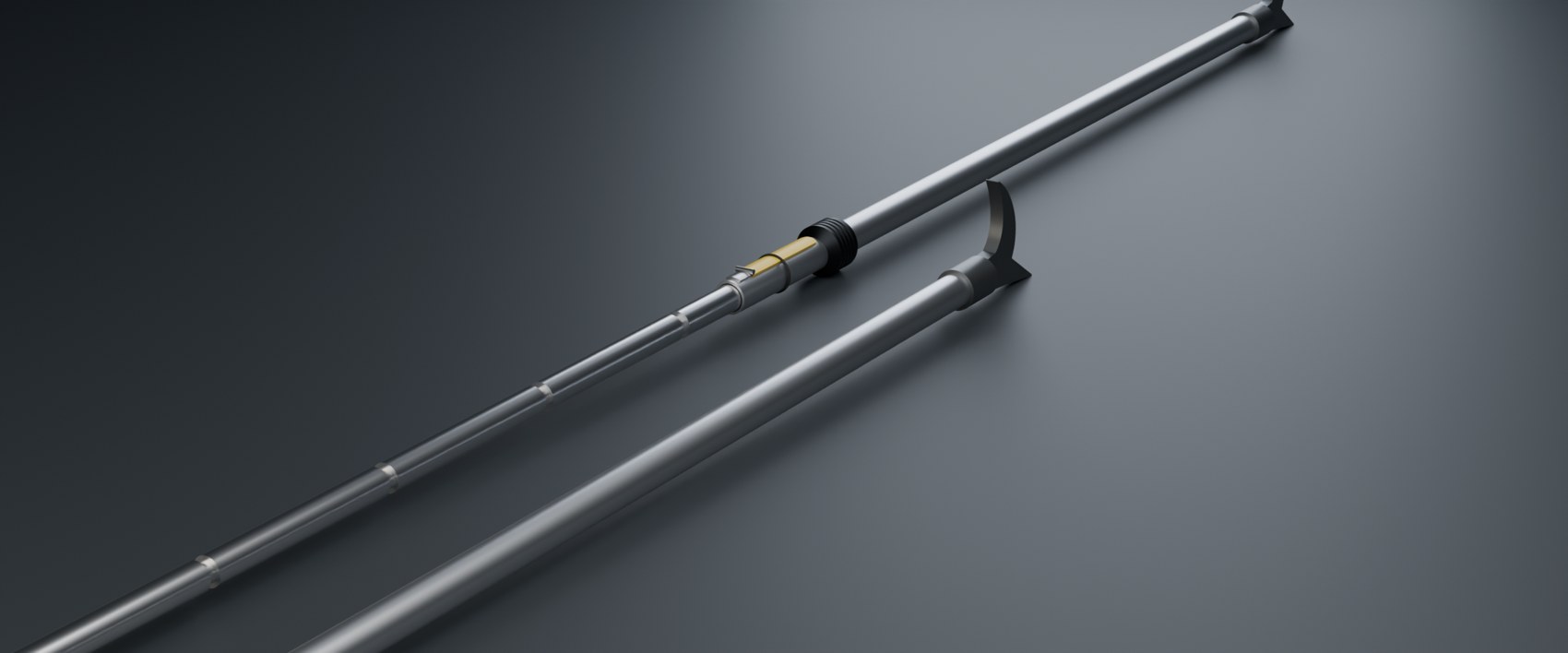
One ceiling hook that locks at six lengths. This prototype covers 4′8″ to 8′, the shorter fixed hooks on a truck’s rack; a longer version for higher ceilings is next. Designed with Providence firefighters, built in aluminum.
Problem
Six hooks for one job
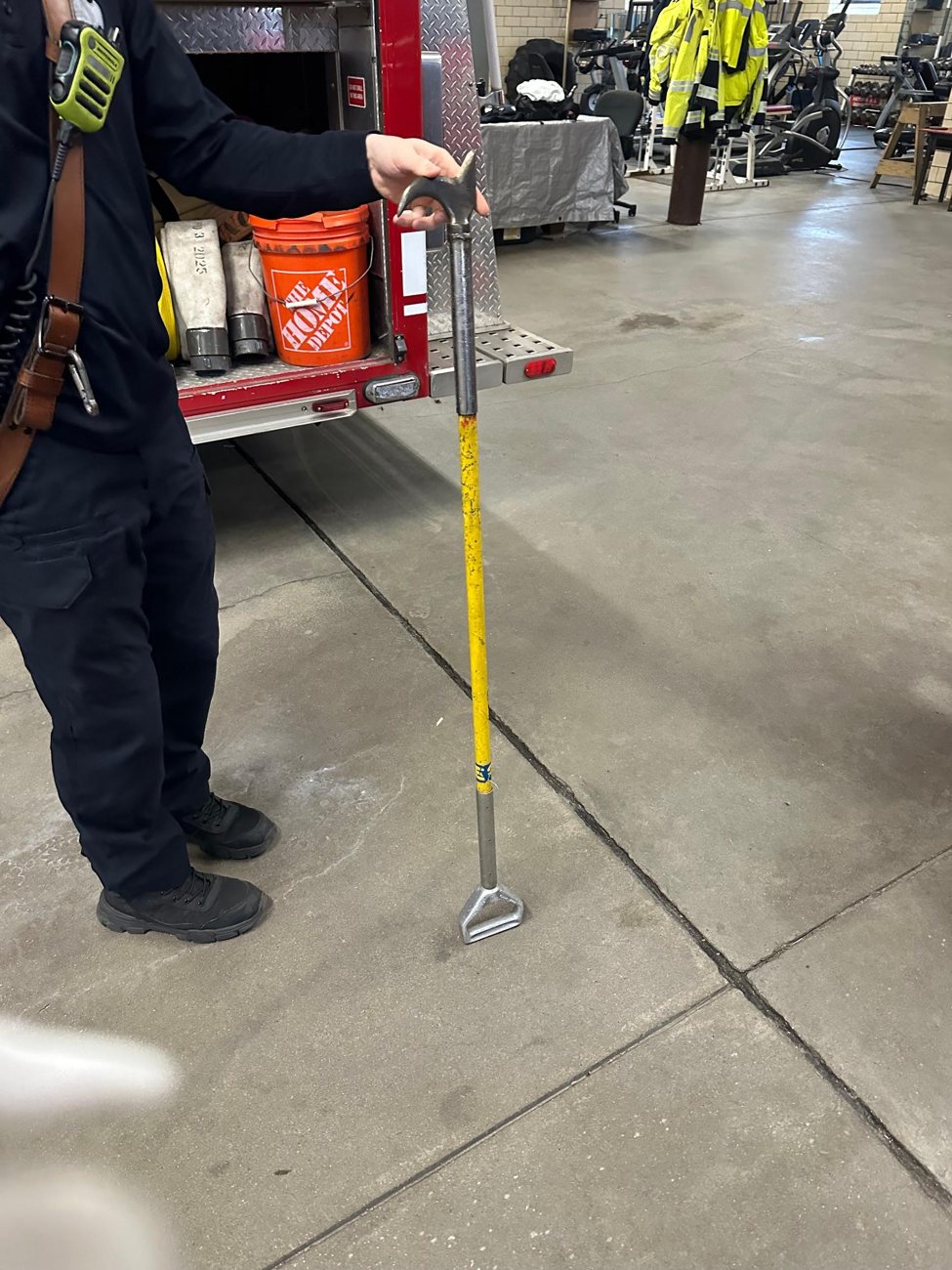
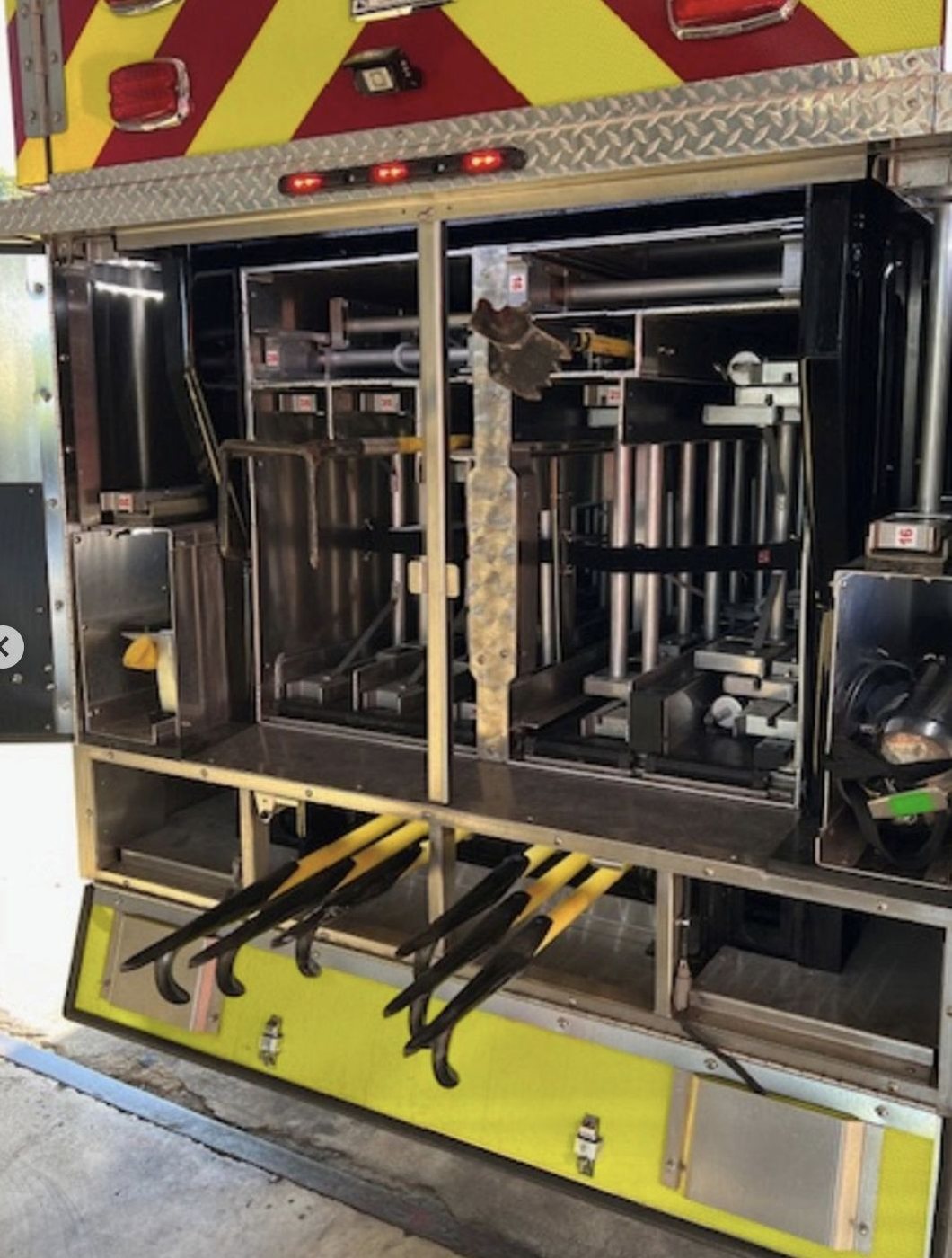
Trucks carry a fixed hook for every ceiling height, 4 to 14 ft. The long ones are a pain to store and carry.
Why it was hard
The lock fails
Friction locks slip when you pull a ceiling. Pin locks jam with wet plaster.
My answer
A hinged latch
It drops into slots in the rod and holds by shape, with nothing open for debris to fill.
Result
It works in metal
A full-scale aluminum prototype that locks at each slot from 4′8″ to 8′ and releases by hand. Longer reach is next.
Fieldwork
Start at the fire station
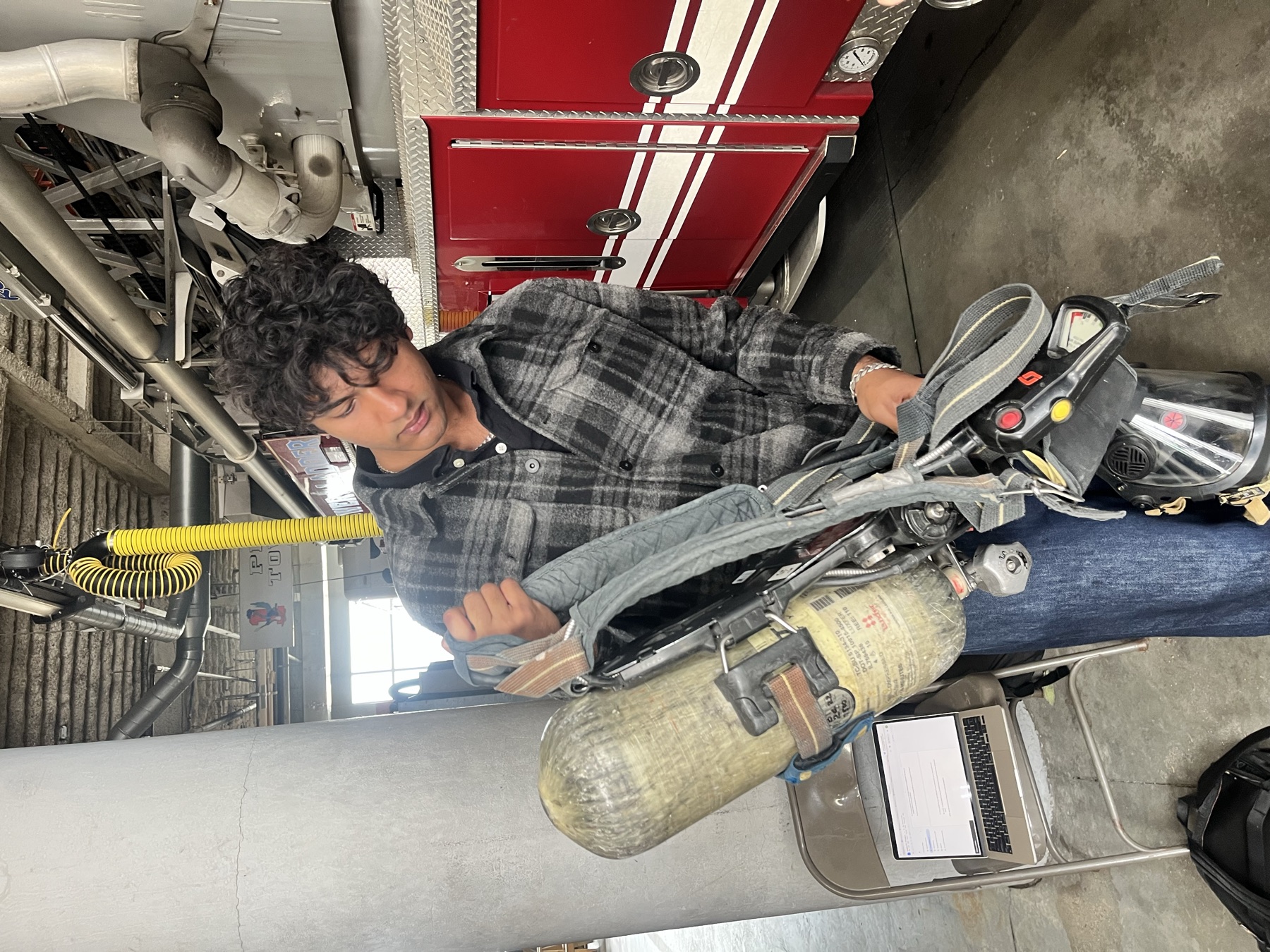
I spent time at 3 Providence stations with 9 firefighters. One theme kept coming up: everything they carry is heavy, long or awkward, and it all goes up the stairs.
“Our gear is 70 extra pounds or so, and we have to go up 3 flights of stairs…”
The problem
One job, six lengths
After a fire, crews pull ceilings down with a hook on a pole to find hidden fire. Ceilings vary, so trucks carry hooks from 4 ft to 14 ft, one for each height.
Research
Why nobody telescopes it
I sorted the telescoping locks on the market by how they hold. Friction locks slip under the push and pull of a ceiling. Pin locks need open holes that fill with wet plaster and jam.
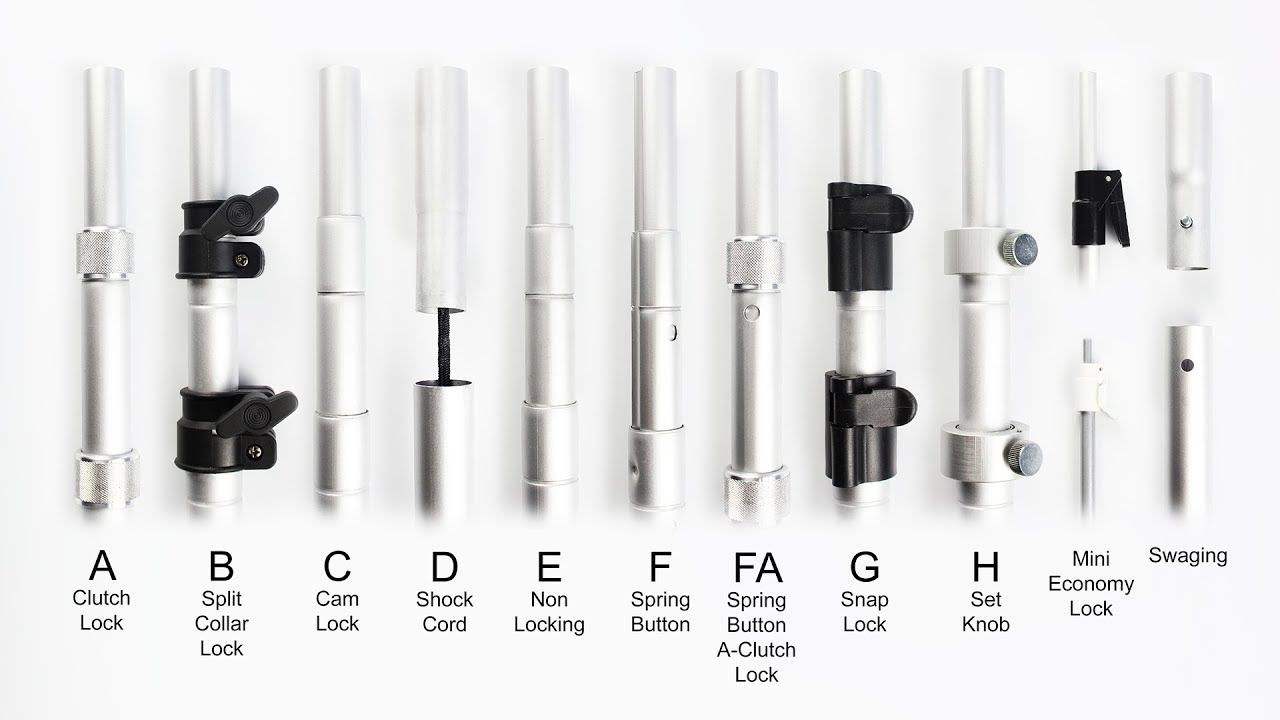
So the lock needed to
Ideas
Three tries at a lock
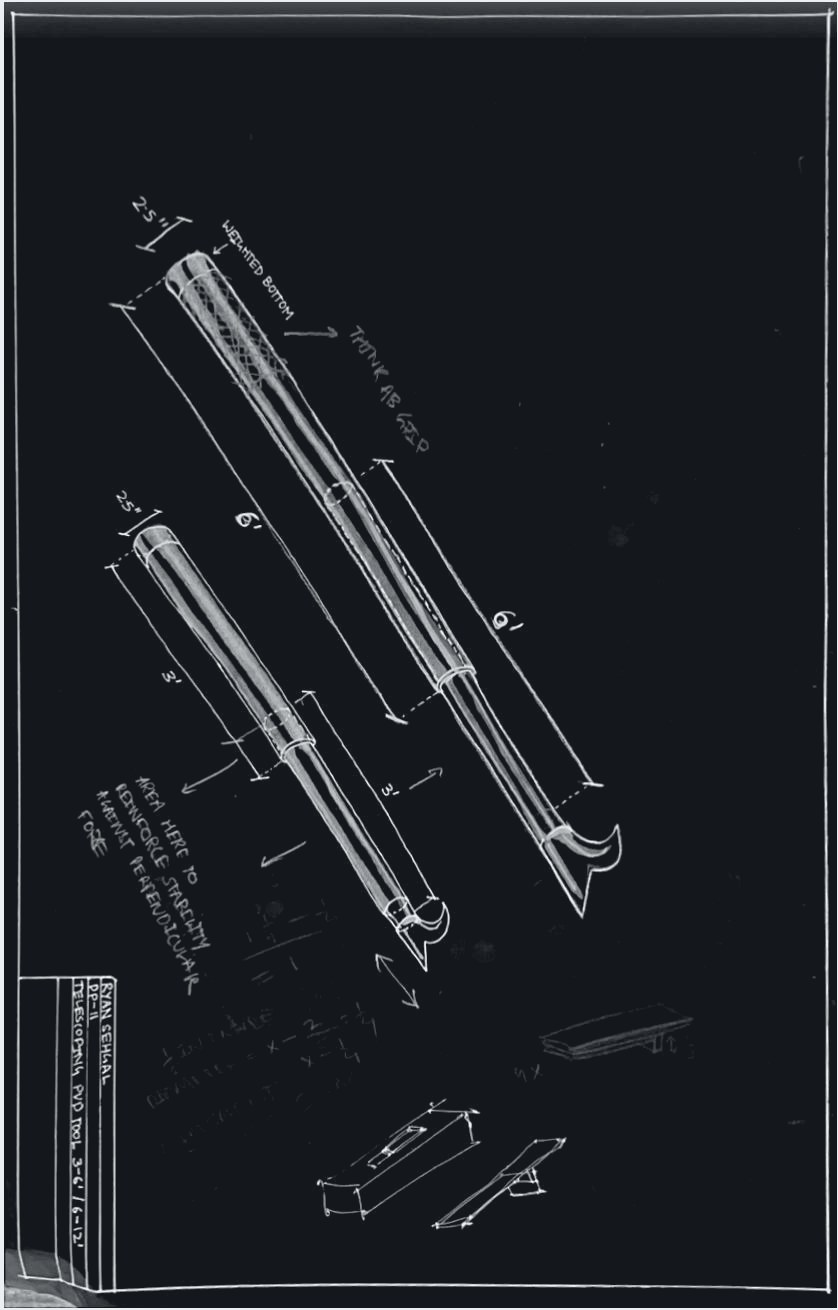
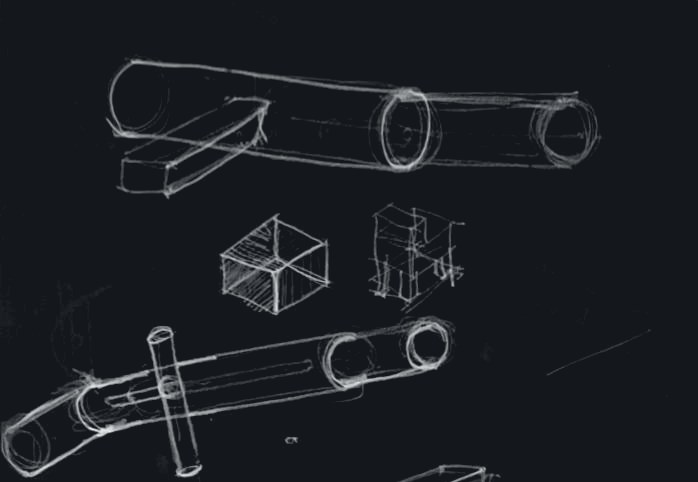
Each idea fixed the fault in the one before.
1 · Cross pin
Locks positively, but needs a row of open holes.
2 · Sprung jaws
No holes, but it is still friction. It slips.
3 · Hinged latch
Locks positively, nothing open, everything outside.
The mechanism
A latch that drops into the rod
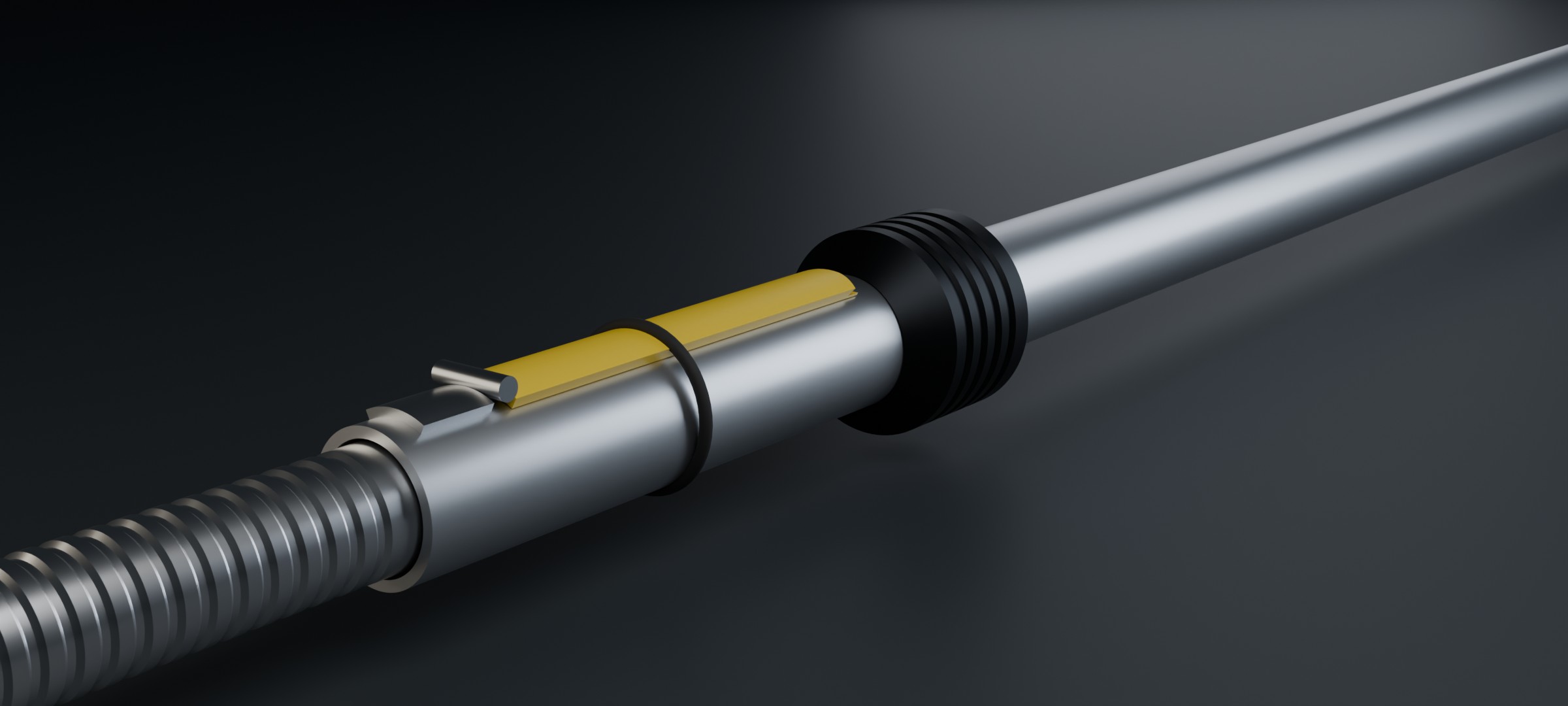
An elastic band holds a yellow latch down, so its leg drops into a slot in the inner rod. Metal bears on metal, so nothing depends on friction. Pull the ring back to lift the latch, slide, let go, and it snaps into the next slot.
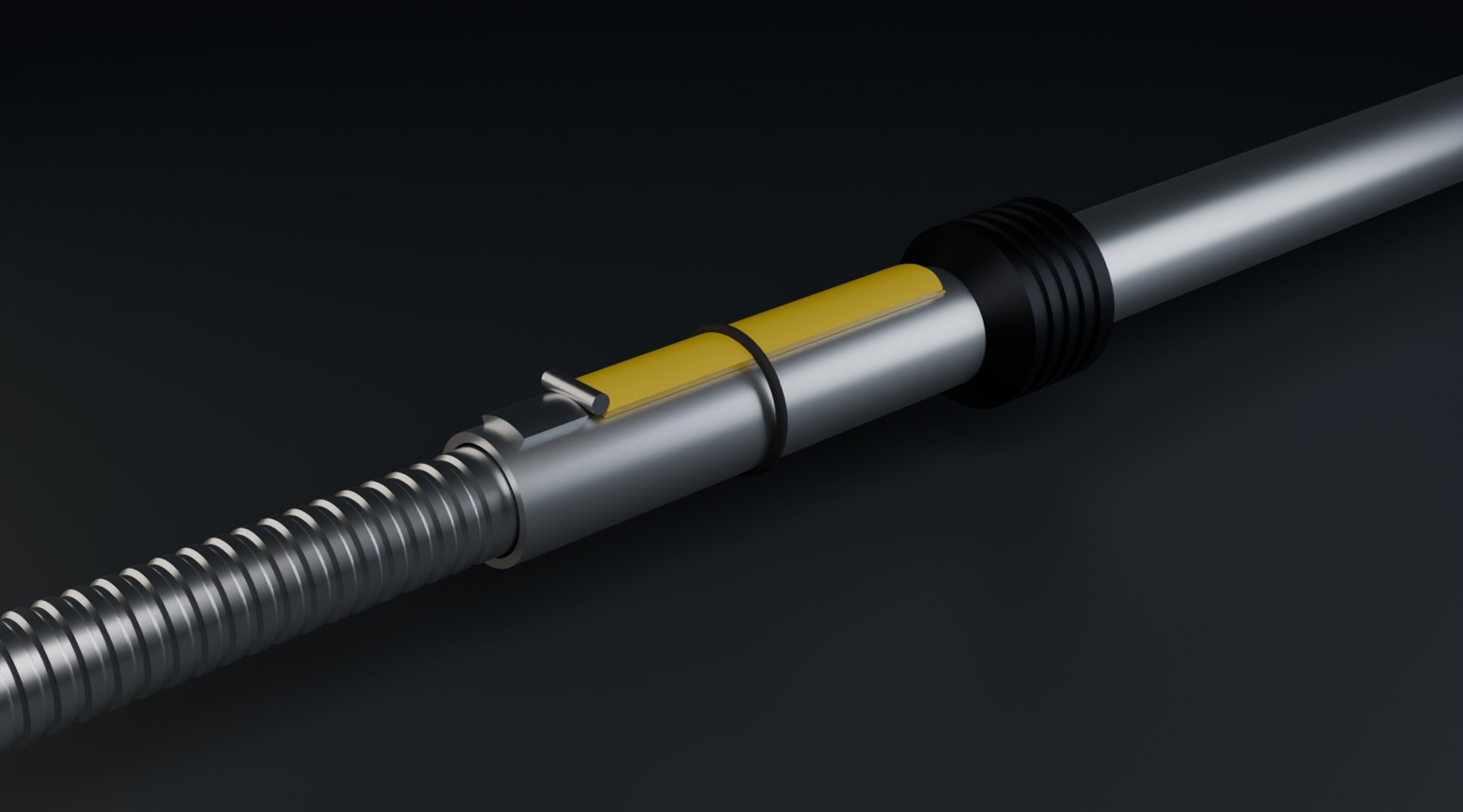
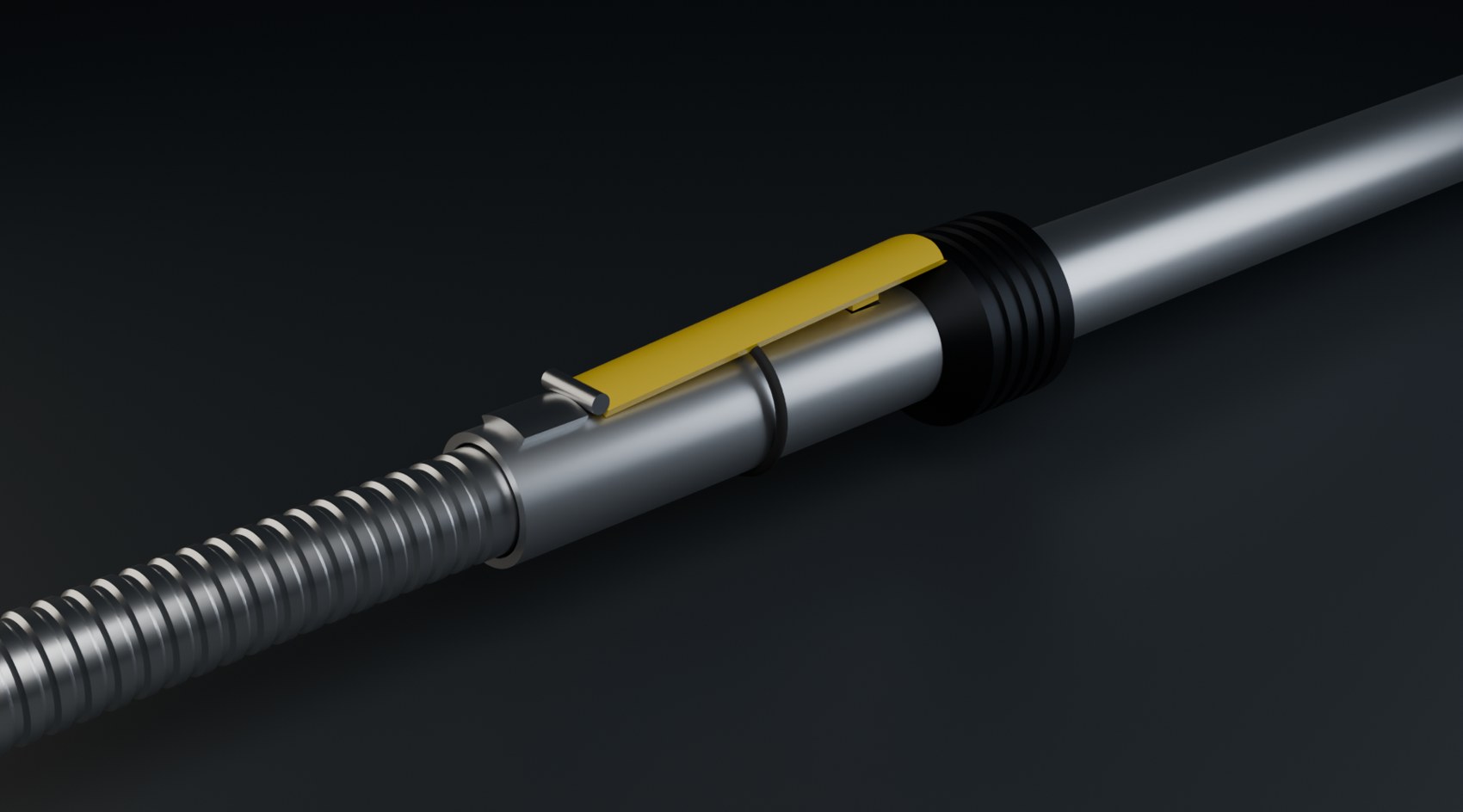
Section drawings, and why it survives debris
The inner rod is solid and turned on a lathe, with a shallow slot at each stop. The outer rod carries the hook head and an L-shaped latch on a hinge. The ring's 45 degree face slides under the free end of the latch to lift its leg clear.
Debris comes down at the hook, while the latch, band and ring sit at the other end, just above the hands. The hole the latch passes through is filled by the latch itself, and any grit is in plain sight where it can be knocked or rinsed off.
Prototype
Proving it in the shop
Two tests came first: an FDM printed joint, then a small-scale aluminum joint. With the slots, latch, band and release working as drawn, I built the full-scale prototype in final materials.
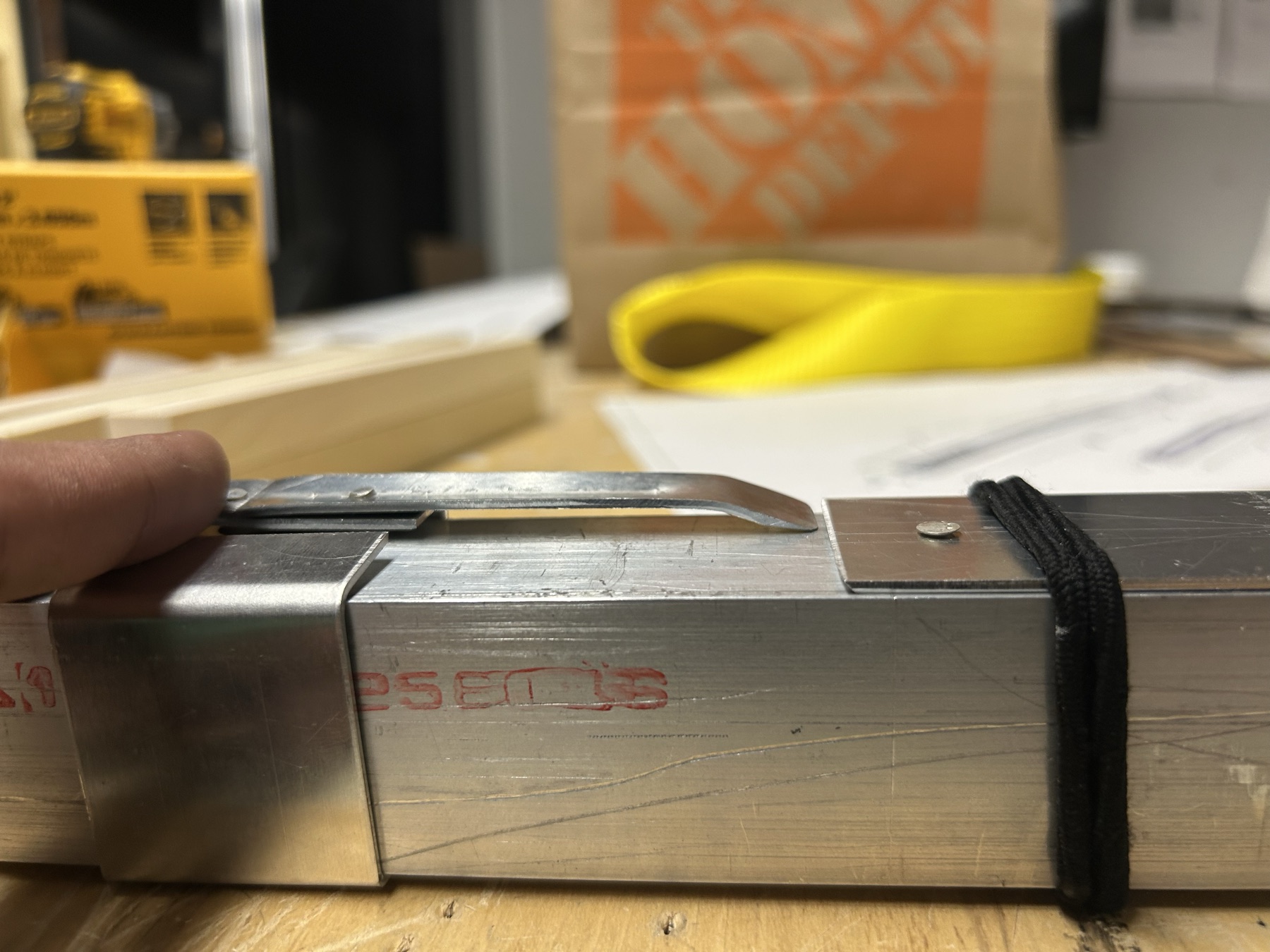
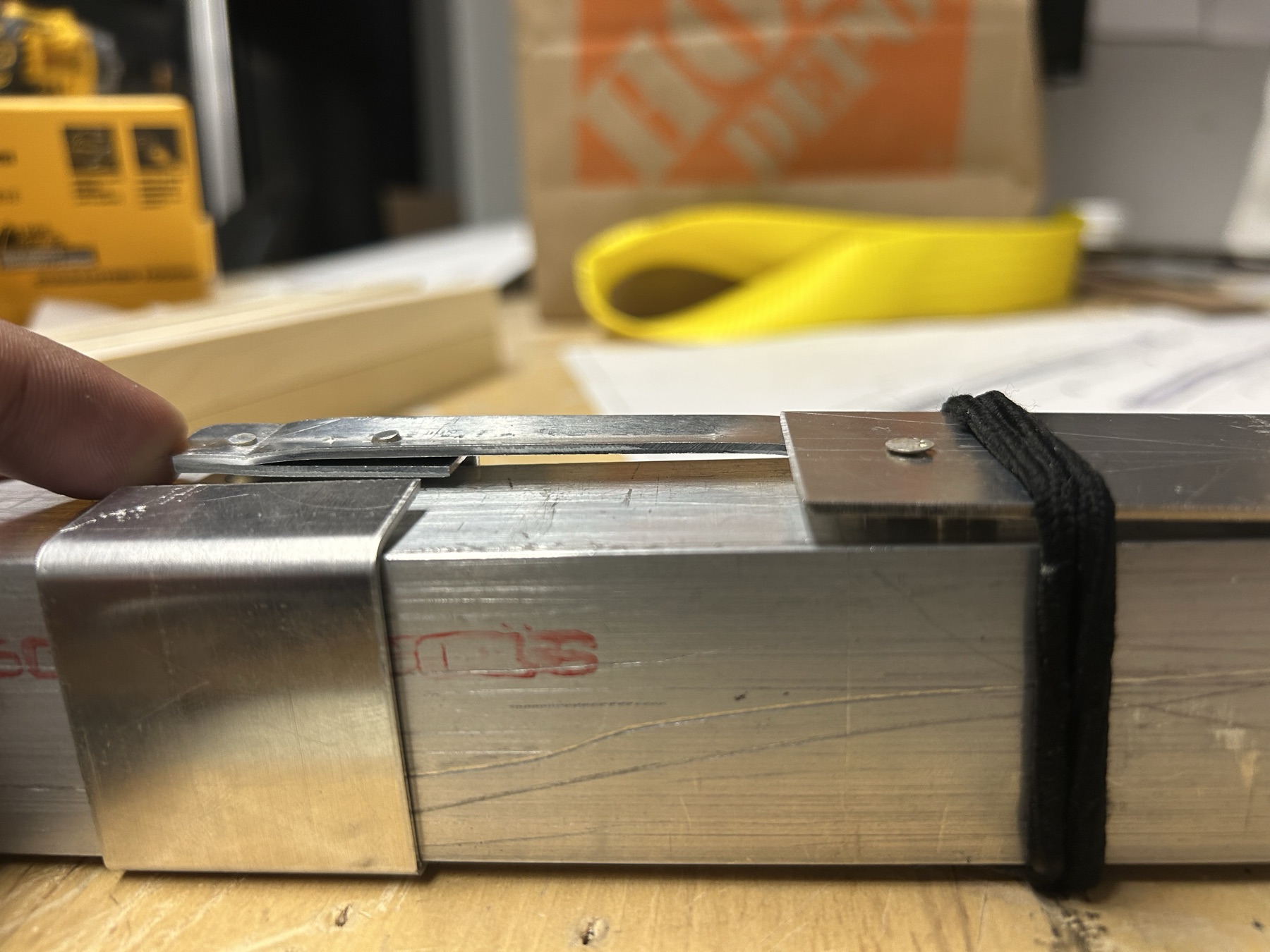
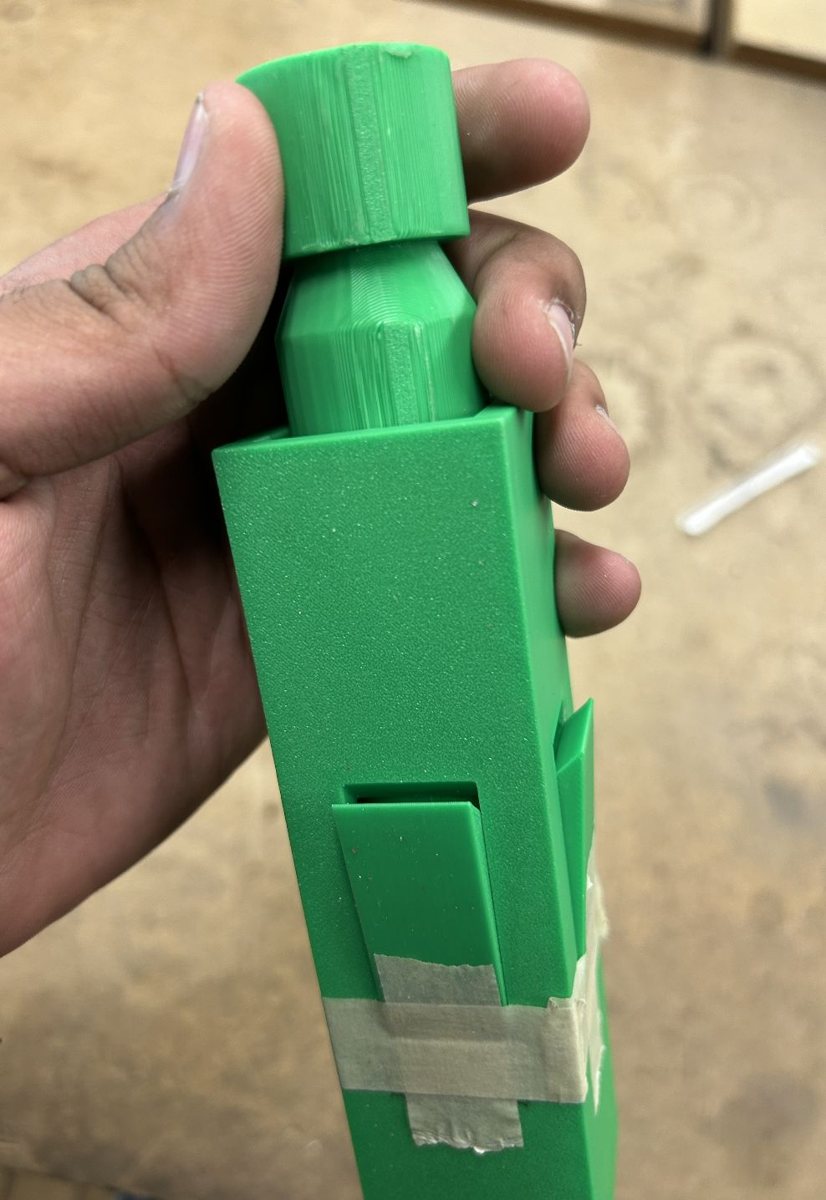
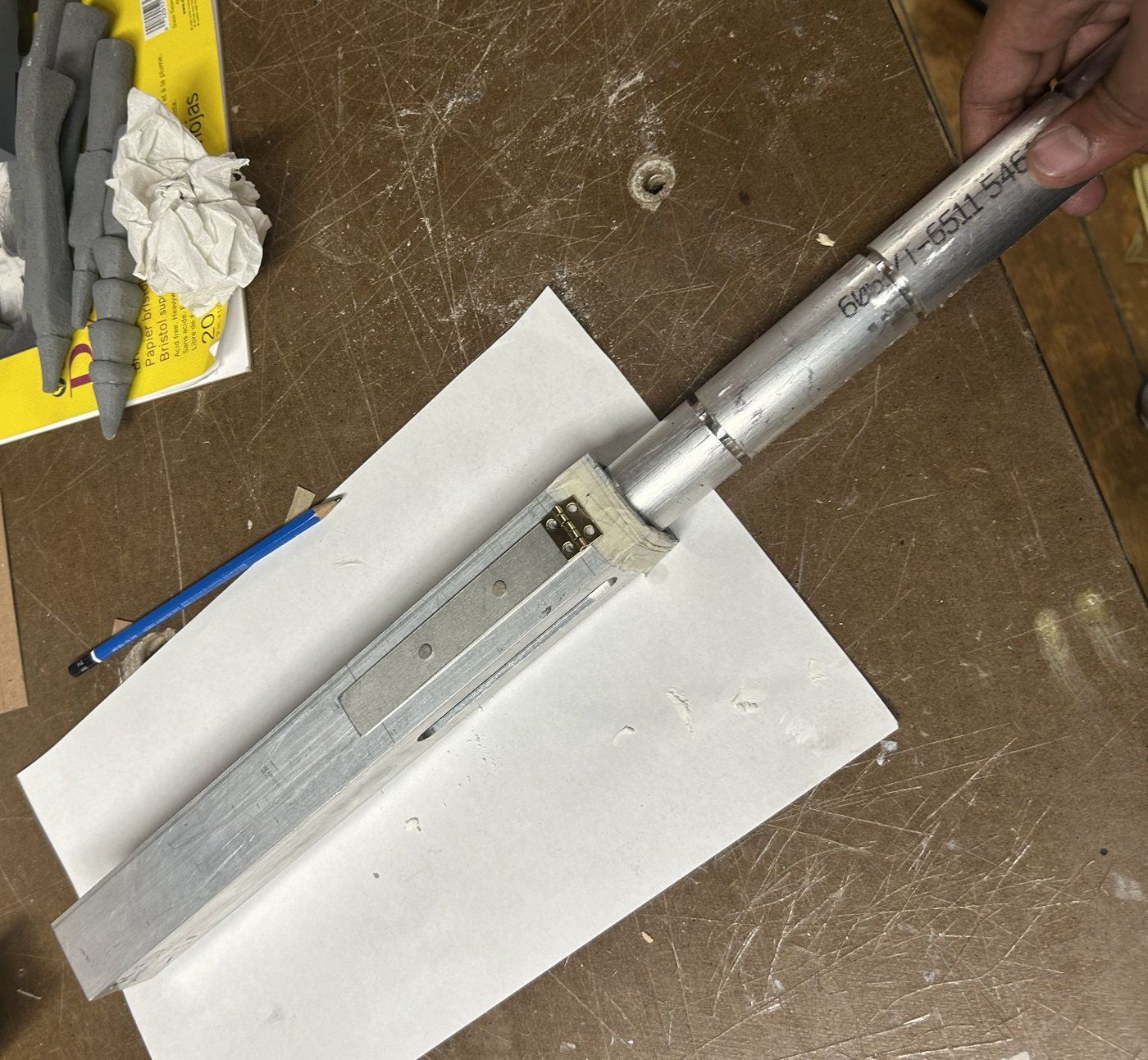
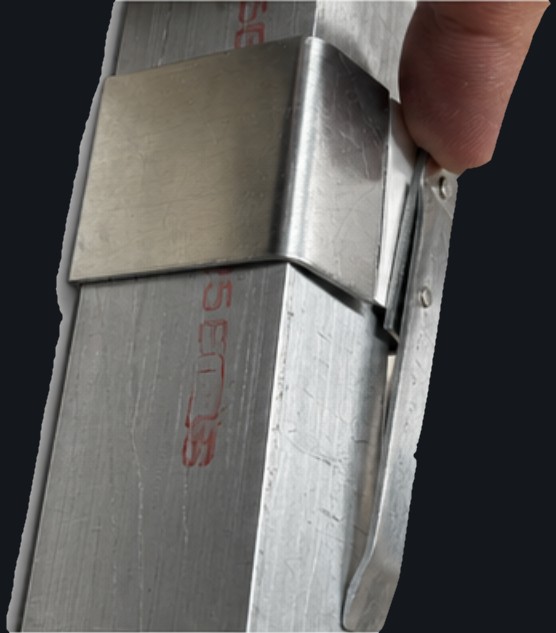
Build plan and the square-versus-round tube
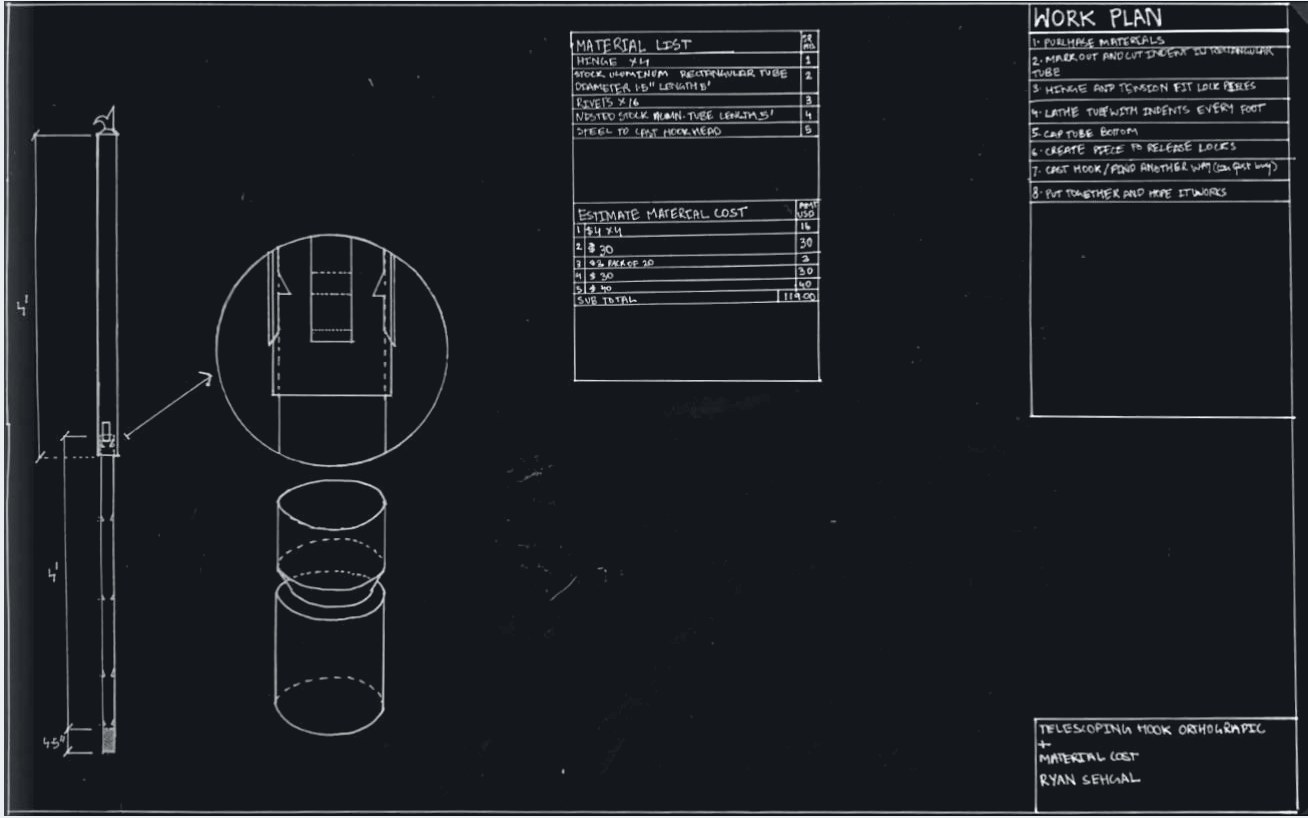
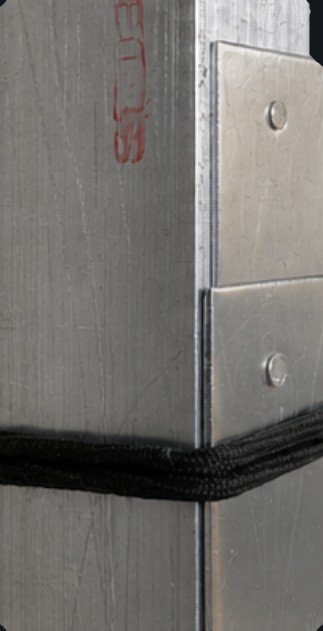
Build sequence: cut the latch windows in the outer tube, hinge and tension-fit the latch, turn the slots into the inner rod, cap the tube ends, make the release, then form the hook head and assemble.
Both tests use a square outer tube because flat faces made the latch quick to mount and rivet. That was a building shortcut for the proof of concept, not part of the design: in the round version the latch is bent to hug the rod, the release becomes the ring, and 5.5 in of the inner rod is textured as a grip.
Result
A lock that works
A working aluminum prototype that extends, locks at each slot and releases by hand, collapsing to 4′8″ and reaching 8′, on a material estimate of $119. That covers the shorter hooks on the rack, not yet the 14 ft ones.

Try it: drag to turn, pick a part, slide the length
Full dimensions and bill of materials
| Part | Material | Cost |
|---|---|---|
| Outer rod, carries the hook head | Aluminum tube, 8 ft stock | $30.00 |
| Inner rod, solid, lathed slots, textured grip | Aluminum 6061 round bar, 5 ft stock | $30.00 |
| Hinges for the latch (4) | Purchased | $16.00 |
| Rivets, pack of 20 | Purchased | $3.00 |
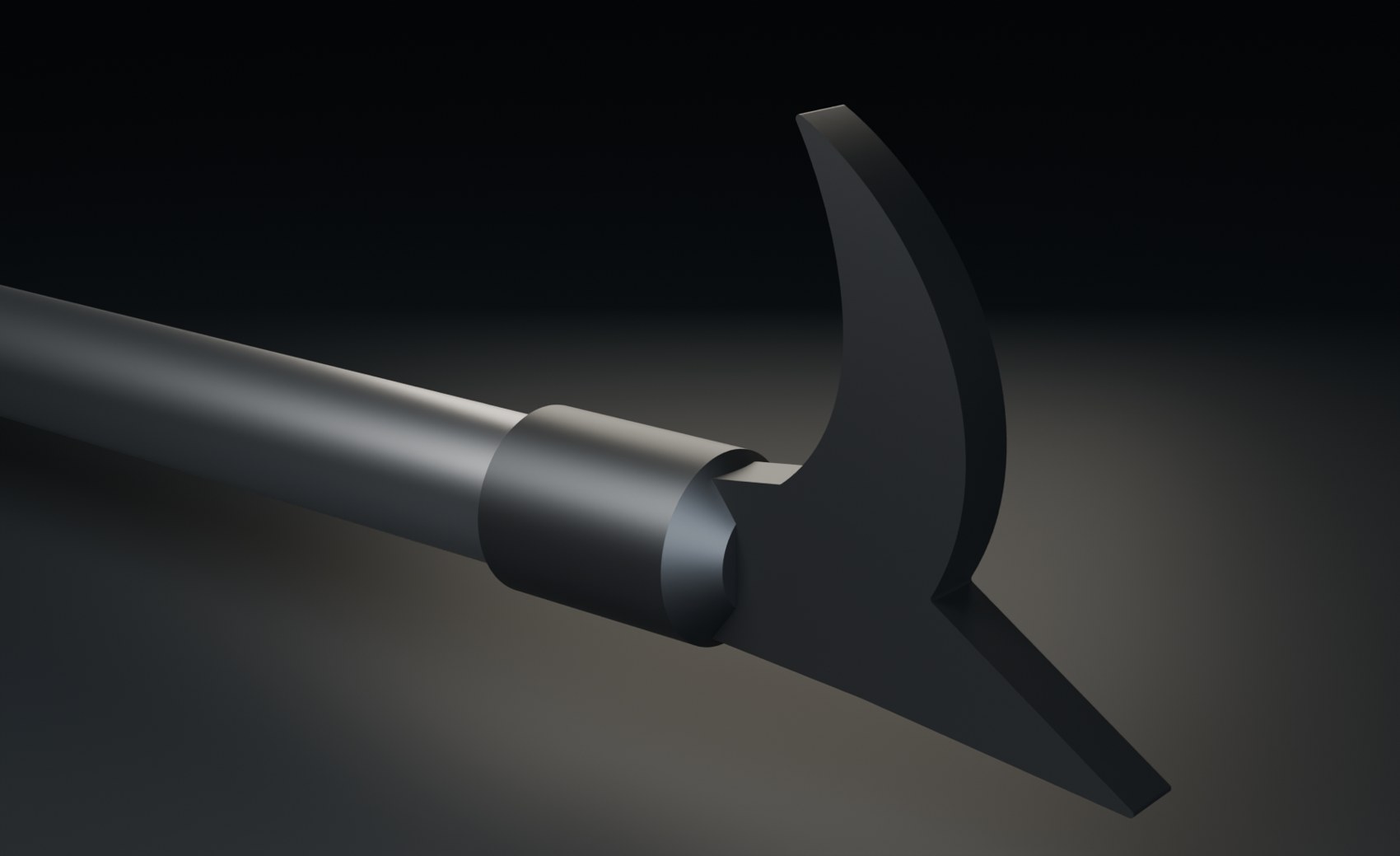
| Hook head | Steel, cast | $40.00 |
| Latch, release ring, band, end cap | Shop stock and elastic cord | not costed |
| Purchased materials | $119.00 |
What's next
Earning a place on the truck
“You may make something that works well and great, but you’re going to have to convince people to change their minds.”
- Longer reachA second size, or a third tube section, to cover ceilings up to 14 ft.
- Load testMeasured push and pull numbers for the latch against a fixed hook.
- Round buildThe bent latch, the release ring and the textured grip.
- MaterialsA steel hook head, and a handle material reviewed for weight and electrical safety.
- Field testBack to the Providence crews who described the problem, to try it on a ceiling.